
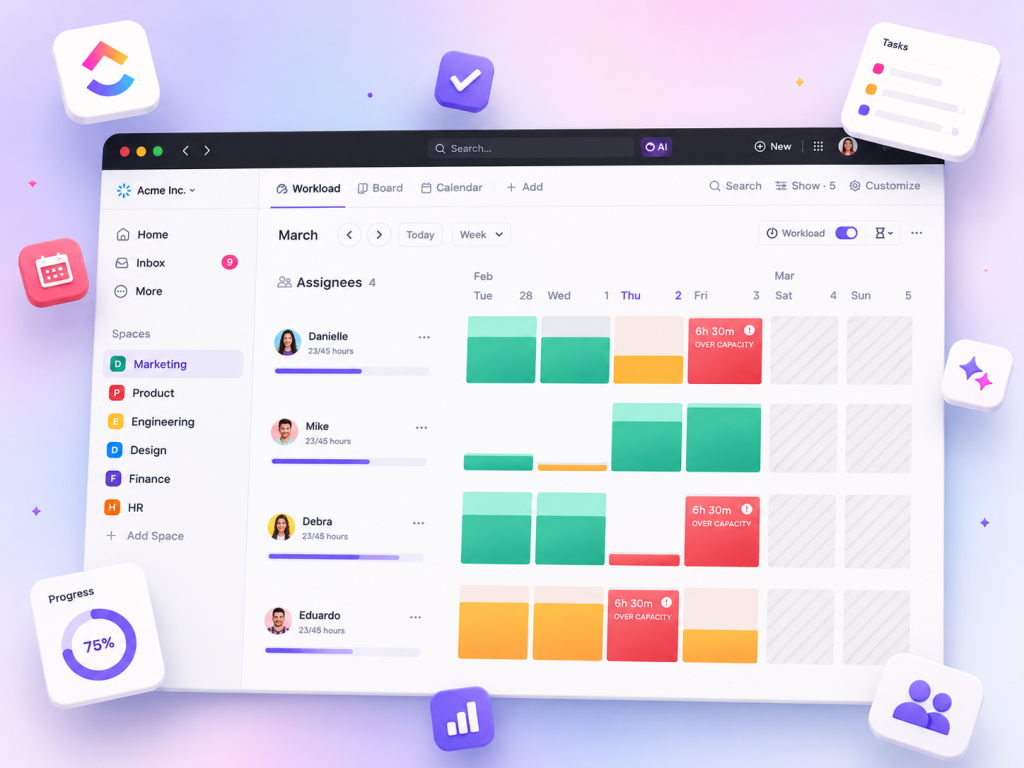
Monitoring team morale is a critical process for managers seeking to maintain productivity, engagement and well-being in environments with multiple demands. Monitoring team morale warns of signs of demotivation, overload or misalignment before they impact deliveries and organizational climate.
This monitoring combines qualitative observation and objective data to generate actionable insights. In contexts where digital tools and automation are used, it is necessary to clearly define which signals will be monitored, how the data will be interpreted and which governance and privacy measures will be applied.
Team morale monitoring: signals and limitations
Identifying morale signals requires attention to different indicators: changes in communication patterns, drops in participation in meetings, volume and quality of deliveries, and direct feedback in internal surveys. These signals help build a more complete picture of the team’s emotional and motivational state, but they have important limitations. Data interpretation is contextual — a temporary drop in productivity may reflect work spikes, personnel issues, or process failures, not necessarily a permanent drop in morale.
Furthermore, using AI to support monitoring requires transparency about data sources and processing purposes. Technology can automate pattern detection, group signals, and suggest priorities for action, but it is no substitute for direct conversation and active listening between managers and employees.
How to structure an AI system for managers
When structuring an AI-based system to support monitoring team morale, it is helpful to follow a simple conceptual architecture: define clear objectives, select relevant data sources, establish rules of interpretation, plan actions and feed the model back with observed results. Prioritizing transparency, consent and data security avoids conflict and resistance from the team.
The table below summarizes practical signals, possible data sources and initial actions recommended for managers.
| Observable signal | Data source | Possible interpretation | Suggested action |
|---|---|---|---|
| Drop in meeting attendance | Attendance and participation records | Disengagement or conflict agenda | Review meeting format and check availability |
| Frequent delays in deliveries | Task and deadline history | Overload, lack of clarity or dependencies | Reevaluate priorities and reallocate resources |
| Increased negative messages or complaints | Communication logs and feedback | Rising tension or process issues | Investigate causes and promote mediation |
| Decrease in quality delivery rate | Quality reviews and rework | Fatigue, lack of training or poorly defined requirements | Provide technical support and clarify requirements |
| Persistent overtime increase | Time records and schedules | Imbalance between demand and capacity | Adjust workload and prioritize tasks |
Best practices, ethics and governance for managers
Implementing team morale monitoring with AI support requires clear policies and people involvement. The approach must balance operational utility and respect for privacy, setting limits on what data is collected, how it is used, and who has access to the results. Analytical tools are most effective when integrated with governance processes that provide for periodic reviews and direct feedback channels.
- Define clear objectives and communicate them to the team before starting any monitoring.
- Choose relevant metrics that reflect behavior and well-being, not just raw productivity.
- Ensure informed consent and allow contributors to opt-in to feedback mechanisms.
- Establish data access rules and protect sensitive information with governance controls.
- Use insights as a starting point for human conversations: pulse checks, one-on-ones, and action plans.
To transform insights into concrete actions, managers must combine quantitative signals with qualitative conversations. An iterative process that includes data collection, AI-assisted analysis, human intervention and continuous evaluation increases the accuracy of interpretations and the effectiveness of actions taken in response to monitoring team morale.
When designing monitoring routines, consider regular check-in cycles that integrate objective indicators and spaces for spontaneous feedback. Documenting methods, results and actions allows you to evaluate the impact of initiatives and adjust parameters of the AI system without compromising the team’s trust.
Monitoring team morale operating with principles of ethics and governance helps transform data into better support for the team, reducing the risk of misunderstandings and ensuring that interventions are targeted, proportionate and humane.
Explore more
Everything TaskUP does with ClickUp, in English.